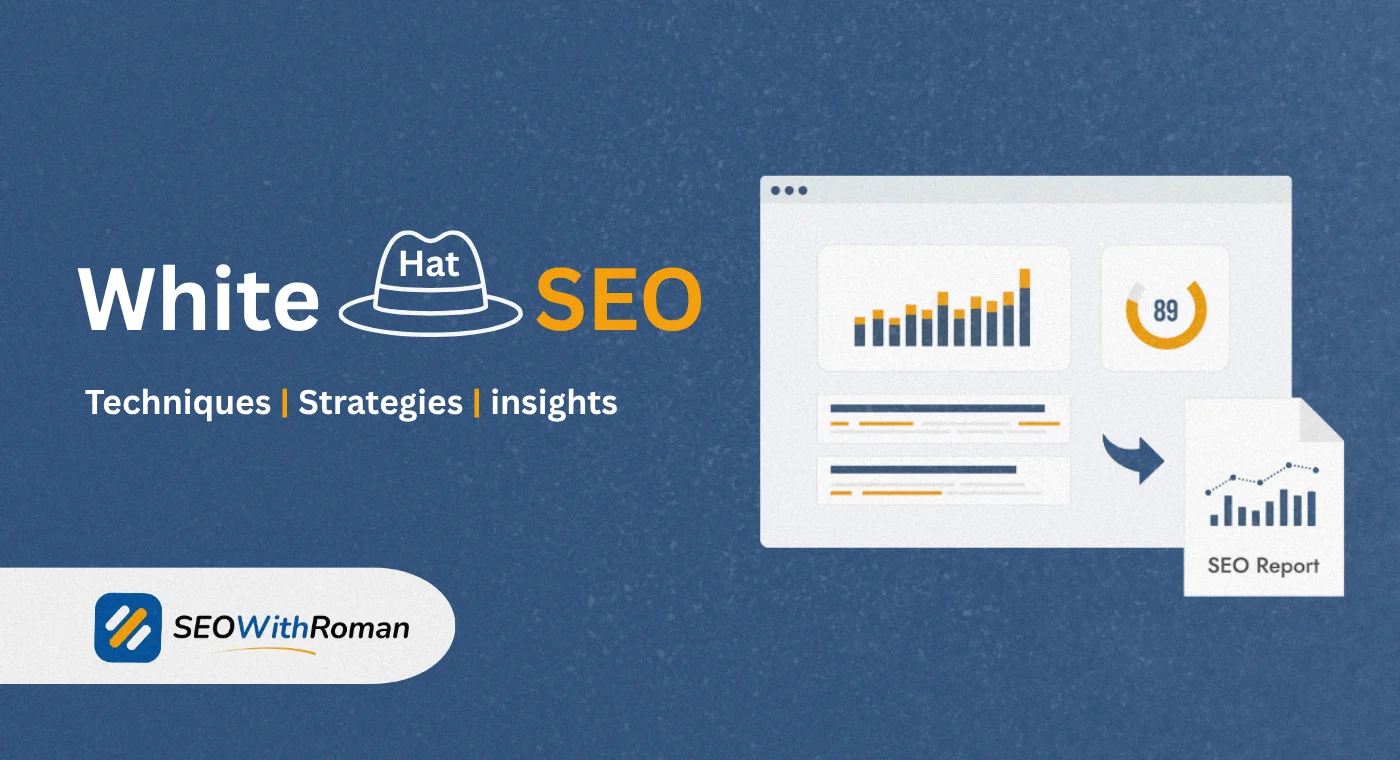
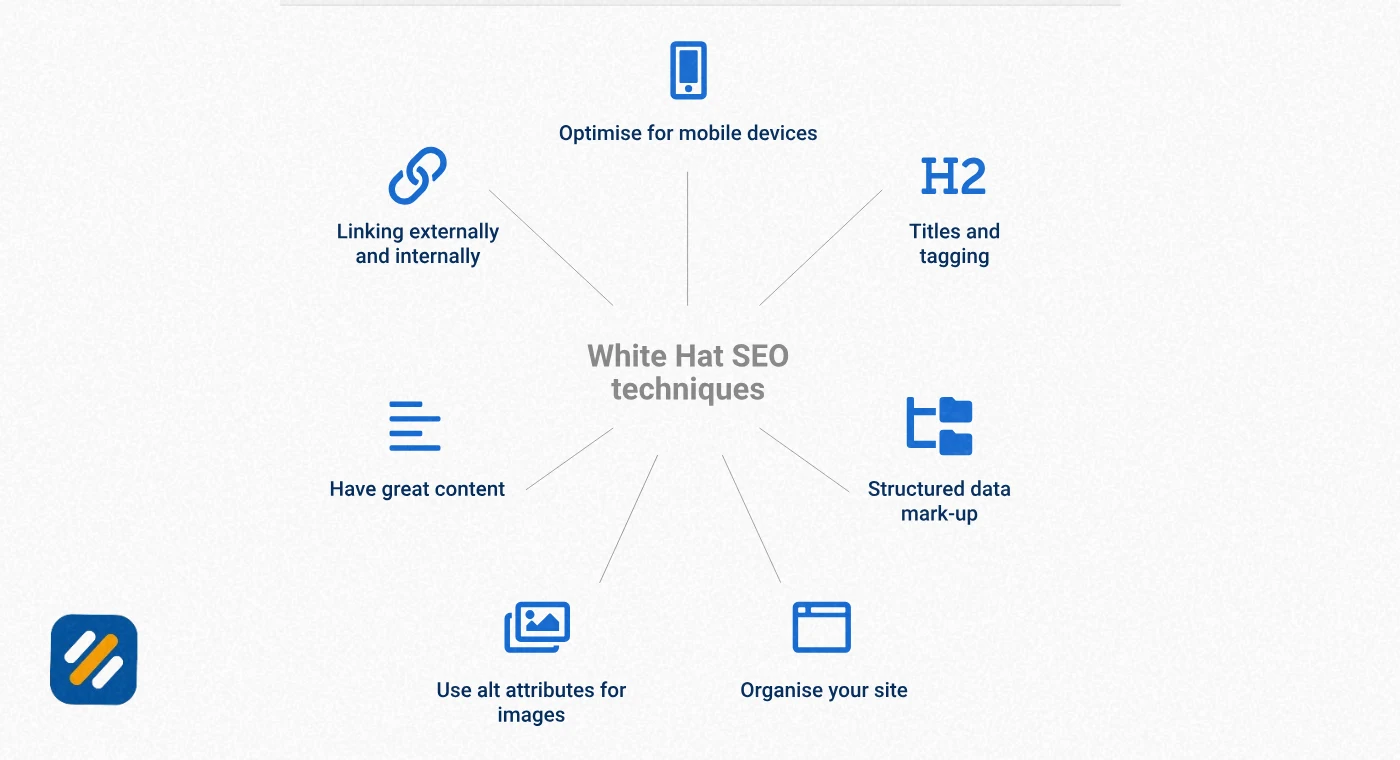
- White hat SEO means following every Google guideline to earn rankings through genuine content, real backlinks, and honest optimisation
- White hat search engine optimization produces rankings that are stable, sustainable, and safe from Google penalties permanently
- The three pillars of white hat SEO are quality content, ethical link building, and technical excellence
- White hat SEO takes longer to show results than black hat tactics but delivers compounding returns that grow for years
- Every legitimate business and personal brand should use white hat SEO exclusively because one Google penalty can erase years of work overnight
1 What Is White Hat SEO | The Definition Every Beginner and Business Owner Needs
The term white hat SEO comes from old Western films where the hero always wore a white hat and the villain wore a black one. In SEO, the metaphor holds up perfectly.
White hat SEO is the practice of optimising your website to rank higher on Google by following every search engine guideline, creating genuinely useful content, and earning authority through legitimate means. It is the opposite of black hat SEO, which manipulates Google's algorithm through deceptive tactics, purchased links, and artificial signals.
Here is the definition that matters most for your business: white hat SEO is the only approach that builds something permanent. Every other approach borrows time.
When I first started doing SEO professionally many years ago, I worked on websites that had used aggressive black hat tactics before I arrived. Rankings were impressive. Then a Google algorithm update hit and organic traffic dropped by over 70% in a single week. The client had to rebuild from scratch. That experience shaped every recommendation I have made since.
White hat SEO is not the slow, boring option. It is the intelligent option. It is the approach that lets you build a business on top of your organic traffic without lying awake worrying about the next Google update.
Google's own Search Essentials document, which is Google's official quality guideline, defines the standards that white hat SEO operates within. Every white hat technique either directly follows these guidelines or is explicitly encouraged by them.
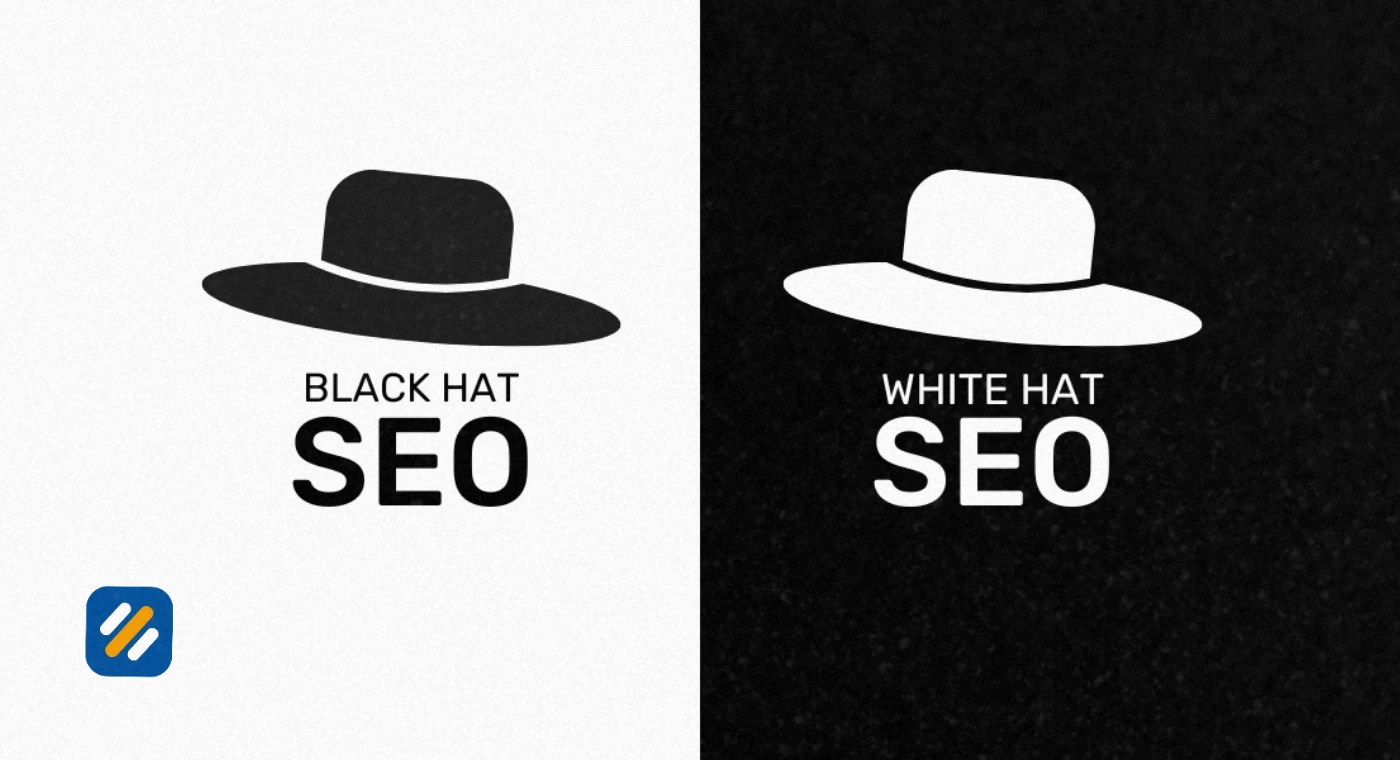
2 White Hat SEO vs Black Hat SEO vs Grey Hat SEO | The Complete Comparison
To truly understand white hat search engine optimization, you need to see it against what it stands in contrast to. Here is the most thorough comparison you will find:
| Factor | White Hat SEO | Grey Hat SEO | Black Hat SEO |
|---|---|---|---|
| Definition | Fully compliant with Google guidelines | Not explicitly banned but not clean | Deliberately violates Google guidelines |
| Content approach | Original, helpful, research-based content | Partially useful, sometimes templated | Thin, duplicated, or AI-spun content |
| Link building | Earning links through quality content and outreach | Private blog networks at low scale, aggressive guest posting | Buying links, link farms, spammy directories |
| Keyword usage | Natural placement at appropriate density | Slightly over-optimised anchor text | Keyword stuffing, hidden text, invisible keywords |
| Risk level | Zero penalty risk | Moderate, one update away from losing rankings | High, manual penalty or deindexing possible |
| Result speed | 3 to 6 months for initial rankings | 1 to 3 months | Days to weeks |
| Result longevity | Permanent and compounding | Unstable, algorithm dependent | Short-lived |
| Google penalty risk | None | Possible | High, including full site removal |
| Best for | Any legitimate business or personal brand | Short-term campaigns where risk is acceptable | Never recommended for real businesses |
| Recovery if penalised | Not applicable | 3 to 6 months | 6 to 18 months, sometimes never |
The table makes the choice obvious for any business building something real. White hat SEO is the only approach where your investment compounds safely over time.
3 Why White Hat SEO Is More Important Than Ever in 2026
The argument for white hat SEO has never been stronger than it is right now. Here is why 2026 specifically is a turning point.
Google's algorithm has become significantly more sophisticated at detecting manipulation. The Helpful Content Update, the core updates of 2023 and 2024, and the integration of AI into Google's quality assessment systems have all made it dramatically harder to sustain rankings built on black hat or grey hat foundations.
At the same time, Google's AI Overviews, which appear at the top of search results for many queries, are pulling content almost exclusively from websites that demonstrate genuine expertise, real authority, and trustworthy content. This is E-E-A-T in action at the highest level.
White hat SEO aligns perfectly with every signal Google's AI systems are looking for
Experience is shown through first-person real-world knowledge in content. White hat SEO content is written or informed by someone who has actually done what they are writing about.
Expertise is demonstrated through depth, accuracy, and specificity. White hat SEO content goes deeper than surface-level summaries.
Authoritativeness is built through genuine backlinks from respected sources. White hat link building earns these links rather than purchasing them.
Trustworthiness is established through technical security, accurate information, transparent authorship, and consistent quality. All of these are white hat SEO practices by definition.
The websites being featured in Google AI Overviews in 2026 are almost exclusively white hat SEO operations. The approach that once seemed slow is now the approach that wins the most visible position in search results.
4 The 10 Most Effective White Hat SEO Techniques in 2026
These are the white hat SEO techniques that consistently produce rankings across every industry and website type I have worked on:
Technique 1: Keyword Research Before Every Piece of Content
Every white hat SEO strategy starts with validated keyword research. Before writing any content, confirm that your target keyword has real search volume, matches your audience's actual intent, and falls within a difficulty range your domain can realistically compete for. Use Google Keyword Planner, Ahrefs free keyword generator, or Semrush to validate every keyword before writing a single word.
Technique 2: Search Intent Matching
Google's primary ranking signal is whether your content matches what the searcher actually wanted when they typed that query. This is called search intent. Before writing any page, Google your target keyword and study the top three results. Are they guides, comparisons, definitions, or lists? Match that format exactly. Mismatching search intent is one of the fastest ways to fail to rank even with technically perfect on-page SEO.
Technique 3: Creating Genuinely Comprehensive Content
White hat SEO content does not just answer the main question. It answers every related question a searcher might have before they need to go back to Google. Content that fully satisfies a search query in a single visit has a lower bounce rate, higher dwell time, and stronger E-E-A-T signals than thin content that sends users back to the search results.
Technique 4: On-Page Optimisation Done Correctly
Place your primary keyword in your title tag within the first four words, in your meta description, in your H1 heading, in the first paragraph, and naturally throughout the body at approximately 1% density. Use secondary keywords in supporting H2 headings and body paragraphs. This signals relevance without tipping into manipulation.
Technique 5: Building High Quality Backlinks Through Outreach
White hat link building means earning links by creating content worth linking to and then letting relevant websites know it exists. Guest posting on authoritative websites in your niche, creating original research that others cite, and building relationships with industry journalists are all white hat link building strategies.
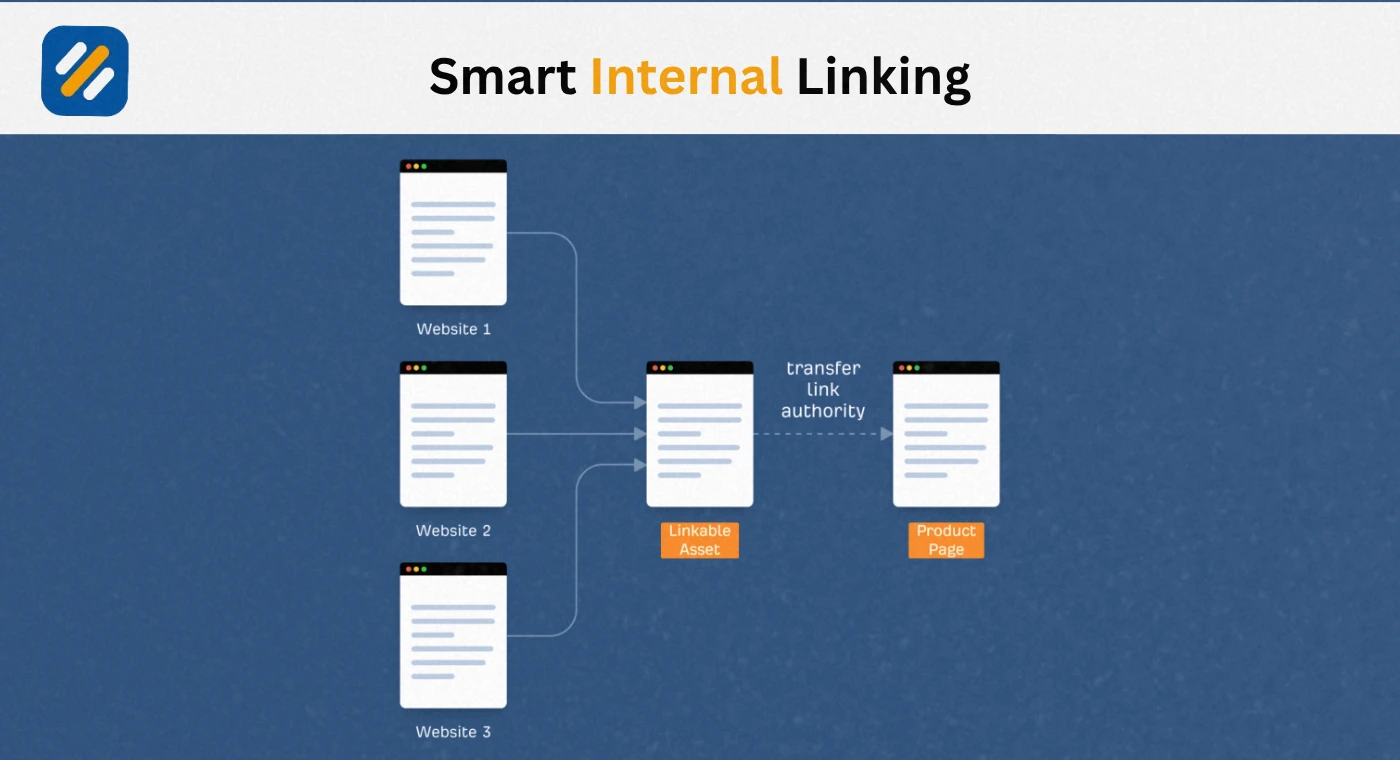
Technique 6: Internal Linking With Descriptive Anchor Text
Connect every new piece of content to at least two or three existing pages on your website using relevant, descriptive anchor text. Internal linking distributes authority across your website, helps Google understand your topical coverage, and keeps users engaged with your content longer.
Technique 7: Technical SEO Fundamentals
Ensure Google can crawl and index your website without obstacles. Submit your sitemap to Google Search Console, fix crawl errors promptly, maintain clean URL structures, implement canonical tags to prevent duplicate content, and ensure your site loads in under three seconds on mobile.
Technique 8: Image Optimisation With Descriptive Alt Text
Every image on your website should have a descriptive alt text tag that explains what the image shows using natural language. This serves two purposes. It makes your website accessible to visually impaired users and it gives Google an additional relevance signal for the page.
Technique 9: Page Speed Optimisation
Page speed is a confirmed Google ranking factor and a critical user experience signal. Compress images before uploading, enable browser caching, use a CDN, and minimise unused CSS and JavaScript. On WordPress, WP Rocket handles most of these optimisations with minimal configuration.
Technique 10: Regular Content Updating
Google rewards freshness for topics where information changes over time. Review your top performing articles every six to twelve months. Update statistics with current data, add new sections covering developments in the topic, and refresh examples to keep them current. A well-maintained article can hold a page one position for years.
5 How to Build a White Hat SEO Strategy From Scratch | Step by Step
Having a list of white hat SEO techniques is useful. Having a strategy that connects them into a system is what actually produces rankings. Here is the exact framework I use:
Phase 1: Technical Foundation (Week 1 to 2)
Before creating any content, your website needs a technically clean foundation. Complete these tasks first:
Install and configure Rank Math SEO on WordPress. Connect your website to Google Search Console and submit your XML sitemap. Set your preferred domain version and ensure all URL variations redirect to it correctly. Run a site audit using Ahrefs Webmaster Tools free to identify any existing crawl errors, missing title tags, or duplicate content issues. Fix every critical error before publishing any new content.
Phase 2: Keyword Research and Content Architecture (Week 2 to 3)
Map out your content architecture before writing anything. Identify your six to eight main topic categories. For each category, find ten to fifteen target keywords using keyword research tools. Organise these keywords into a content calendar that publishes at least one article per category before going deep on any single topic.
For each keyword, record the search volume, keyword difficulty score, search intent, and the top three competing URLs. This research becomes your brief for every article you write.
Phase 3: Content Creation and On-Page Optimisation (Ongoing)
For every article, follow this production process. Research the keyword thoroughly by reading the top five ranking pages. Write an article that covers everything those pages cover plus at least one angle, insight, or data point they do not. Optimise every on-page element before publishing. Add at least two internal links to existing articles and identify where you will add a link from existing articles back to this new one.
Phase 4: Link Building and Authority Development (Month 3 onwards)
Once you have twenty or more articles published, begin a systematic link building effort. Identify websites in your niche that publish guest posts. Reach out with a specific article proposal that offers genuine value to their audience. Guest post consistently, one to two posts per month, on websites with real traffic and genuine domain authority.
Simultaneously, create one original research piece, industry survey, or data study every quarter. These assets earn backlinks naturally because other websites reference original data when writing their own content.
Phase 5: Monitoring and Optimisation (Ongoing)
Check Google Search Console weekly. Monitor the Performance report for keywords where your pages are ranking between positions 5 and 15. These are your priority optimisation targets because a small improvement in content quality or additional backlinks can move them to page one. Update these pages first before creating new content.
6 White Hat SEO Tools | The Complete Toolkit for Every Budget
You do not need expensive tools to execute a white hat SEO strategy effectively. Here is a complete toolkit broken down by budget:
| Tool | Cost | Primary Use | White Hat SEO Function |
|---|---|---|---|
| Google Search Console | Free | Performance monitoring and indexing | Track rankings, find crawl errors, monitor indexing |
| Google Keyword Planner | Free | Keyword research | Find keywords with confirmed search volume |
| Google Analytics 4 | Free | Traffic analysis | Understand which pages bring organic traffic and conversions |
| Ahrefs Webmaster Tools | Free | Technical audit and backlink monitoring | Monthly site health score, 404 detection, backlink reports |
| Rank Math SEO | Free | On-page optimisation | Title tags, meta descriptions, schema, sitemap generation |
| Screaming Frog | Free up to 500 URLs | Technical crawl | Find broken links, duplicate content, missing meta data |
| Google PageSpeed Insights | Free | Page speed analysis | Core Web Vitals scores and specific fix recommendations |
| Semrush | From $139/month | Full SEO platform | Competitor analysis, keyword gap, backlink audit |
| Ahrefs | From $129/month | Backlink and keyword research | Competitor backlinks, keyword difficulty, content gap |
| WP Rocket | From $59/year | WordPress speed optimisation | Caching, minification, lazy loading, CDN integration |
For a new website with zero budget, the free tools alone give you everything you need for the first twelve months of a white hat SEO strategy. The paid tools become valuable when you need competitor intelligence at scale and when managing multiple websites simultaneously.
7 White Hat Link Building | How to Earn Backlinks the Right Way
Link building is the white hat SEO technique most beginners find most challenging. It requires real effort, patience, and the creation of content genuinely worth linking to. Here is how to approach it correctly.
Understanding what makes a backlink white hat
A white hat backlink is one that was earned rather than bought. The linking website chose to include your link because your content is genuinely useful, authoritative, or provides evidence for a claim they are making. The link is placed in editorial content, not in a footer, sidebar, or paid placement section.
White hat link building strategies that work in 2026:
Guest posting on relevant, authoritative websites. Identify ten to twenty websites in your niche that publish guest content. Study what topics they cover and what their audience needs. Pitch specific article ideas that serve their audience while naturally demonstrating your expertise. Include one relevant link back to your website within the body of the article. This is the most scalable white hat link building technique available to any website.
Creating original research and data studies. Original data is the most linkable content type that exists. When you publish research that other writers in your industry need to reference, backlinks come without any outreach required. Conduct an industry survey, analyse publicly available data and publish findings, or create original benchmark studies that others in your niche will cite.
Digital PR and media outreach. Journalists and bloggers constantly need expert sources for their articles. By positioning yourself as a named expert in your field and responding to journalist requests through platforms like Help a Reporter Out, you earn backlinks from news websites, industry publications, and authoritative blogs. These links carry significant authority and are entirely white hat by definition.
Resource page link building. Many websites maintain resource pages listing the best guides, tools, and references for their audience. Find resource pages in your niche by searching Google for terms like "best SEO resources" or "useful marketing guides." If your content fits, reach out and suggest adding it to the list.
8 What Is White Hat and Black Hat SEO | Understanding the Line That Matters
Many beginners ask where exactly the line between white hat and black hat SEO sits. The answer is simpler than most guides make it seem.
White hat SEO asks: does this tactic serve the user or does it only serve the algorithm?
If a tactic makes your website more useful, more accessible, and more trustworthy for real human visitors, it is white hat. If a tactic is designed purely to manipulate Google's signals without providing any real value to users, it is black hat.
Here is how some common tactics fall on that line
| Tactic | White Hat or Black Hat | Why |
|---|---|---|
| Writing a detailed how-to guide targeting a keyword | White hat | Serves the user's genuine need for information |
| Stuffing a page with keyword variations users would never read | Black hat | Manipulates relevance signals, zero user value |
| Guest posting on a relevant industry blog | White hat | Builds genuine relationships and editorial backlinks |
| Buying 50 links from a link farm | Black hat | Artificial authority signal with no user value |
| Compressing images to improve page speed | White hat | Directly improves user experience |
| Using invisible text to add hidden keywords | Black hat | Deceives Google, zero user benefit |
| Adding FAQ schema to a page with real FAQ content | White hat | Helps Google understand and present content accurately |
| Creating doorway pages that redirect users elsewhere | Black hat | Deceives both users and Google |
| Updating an old article with current information | White hat | Improves content quality for users |
| Spinning existing articles into multiple versions | Black hat | Creates duplicate low-quality content at scale |
9 How to Do White Hat SEO for a Brand New Website | The First 90 Days
The first 90 days of white hat SEO on a new website set the trajectory for everything that follows. Here is exactly what to do:
Days 1 to 14: Technical Setup
Install WordPress and configure your theme. Install Rank Math SEO and complete its setup wizard. Connect Google Search Console and submit your sitemap. Set up Google Analytics 4. Configure your permalink structure to use post name URLs. Create your core pages: home, about, contact, privacy policy, and disclaimer.
Days 15 to 30: First Content
Publish your first four articles, one per main category. Choose keywords with difficulty scores under 15 for these first articles. Optimise every article with Rank Math before publishing and confirm it scores 80 or above. Add internal links between your first four articles wherever topics are related.
Days 31 to 60: Content Acceleration
Increase publishing to three to four articles per week. Continue targeting low difficulty keywords across all categories. Begin monitoring Google Search Console for your first impressions and clicks. Add internal links from older articles to newer ones every time you publish.
Days 61 to 90: First Link Building
With 20 or more articles published, begin identifying guest posting opportunities. Reach out to five to ten relevant websites with personalised pitches. Publish your first guest post with a natural link back to your most authoritative content. Continue publishing two to three articles per week and monitoring Search Console weekly.
10 White Hat SEO Services and Agencies | What to Look for and What to Avoid
If you are considering hiring a white hat SEO company or agency rather than doing SEO yourself, knowing what separates genuine white hat SEO services from grey and black hat operations disguised as white hat is essential.
Signs of a genuine white hat SEO agency:
They begin with a technical audit before promising any results. White hat SEO firms understand that technical foundations determine how far content and link building efforts can take you. Any agency that jumps straight to "we will get you on page one in 30 days" without discussing your technical setup is not operating white hat.
They are transparent about their link building methods. A legitimate white hat SEO service will explain exactly which websites they are targeting for guest posts, what the outreach process looks like, and how they measure link quality. They will never offer guaranteed link packages from unnamed sources.
They set realistic timelines. White hat search engine optimization takes three to six months for initial rankings on low competition keywords and six to twelve months for meaningful traffic growth on competitive terms. Any agency promising page one rankings in four to six weeks is not using white hat methods.
They provide transparent monthly reporting. White hat SEO firms give you full access to Google Search Console data, ranking reports, and backlink reports. You should always be able to see exactly what they are doing and what results it is producing.
Red flags that suggest black hat or grey hat methods
- Guaranteed rankings within 30 days for competitive keywords
- Very low monthly retainers that could not realistically cover the cost of quality content and outreach
- Link building packages offering a specific number of links for a fixed price
- Lack of transparency about which websites backlinks will come from
- No discussion of content strategy or keyword research before starting
11 3 Expert Tips to Accelerate Your White Hat SEO Results
These tips go beyond what most white hat SEO guides cover and come directly from real campaign experience:
Expert Tip 1: Build Topical Authority Before Chasing High Volume Keywords
Most beginners target the highest volume keywords in their niche first. This is backwards. Google rewards topical authority, meaning it trusts websites that cover an entire subject comprehensively more than websites that have one or two articles on random high-volume topics. Publish ten to fifteen articles covering every aspect of your core topic before targeting any keyword with a difficulty above 25. The domain-wide authority boost from topical coverage makes every future article rank faster.
Expert Tip 2: Update Your Best Articles Every Six Months — Not Just New Content
The highest ROI white hat SEO activity most website owners ignore is refreshing existing content. An article ranking in position 8 that gets updated with better examples, current statistics, and additional depth regularly moves to positions 3 to 5 faster than publishing ten new articles on different topics. Google tracks when content is updated and how user engagement changes after the update. A pattern of engagement improvement after updates tells Google your content is getting better, which is a strong signal to boost rankings.
Expert Tip 3: Use Google Search Console's Search Appearance Data to Find Quick Wins
Most people use Google Search Console only for ranking data. The Search Appearance tab shows you which of your pages are appearing in featured snippets, People Also Ask boxes, and image results. Pages that appear in these features but are not in position one for the core keyword are your biggest quick-win opportunities. Add a well-structured FAQ section, improve the directness of your answer in the first paragraph, or add a clear numbered list to the relevant section and monitor whether the feature appearance converts to a higher ranking within four to six weeks.
12 Conclusion
White hat SEO is not the cautious option. It is the strategic option. It is the approach that builds real rankings, real authority, and real business value without the constant fear that everything you have built could disappear with the next Google algorithm update.
Every technique in this guide follows Google's own quality guidelines. Every strategy is designed to serve real users first and algorithms second. That alignment between what Google wants and what users need is exactly why white hat search engine optimization consistently outperforms every alternative over a twelve to twenty-four month horizon.
Start with the technical foundation. Get your keyword research right. Publish content that genuinely helps your target reader. Earn backlinks through quality and outreach. Monitor your results weekly and improve continuously.
Do those five things consistently for twelve months and white hat SEO will become the most valuable marketing investment your business has ever made.
Have a question about white hat SEO techniques or strategy? Leave a comment below and I will answer it personally.
Join 1,000+ business owners and bloggers who get one actionable SEO tip every week — straight to their inbox. Free forever.
Get Free Weekly Tips →