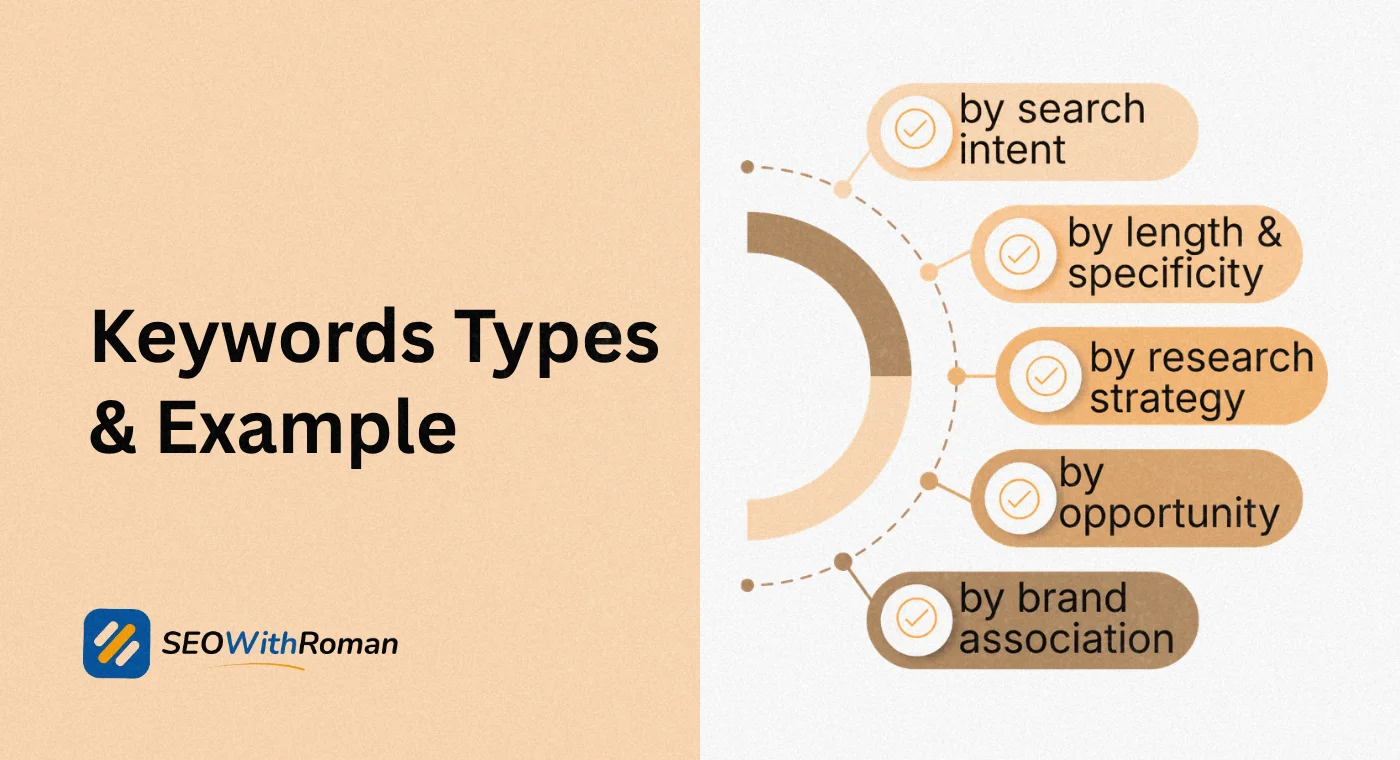
- There are 10 keyword types every SEO specialist uses and each one serves a different purpose in your content strategy
- Search intent is the single most important factor when choosing which keyword type to target on any given page
- Long-tail keywords with three or more words convert better and are far easier to rank for on new websites
- Transactional and commercial keywords drive revenue while informational keywords build authority and organic traffic
- Matching the wrong keyword type to the wrong content format is one of the most common reasons pages fail to rank
1 What Are Keywords in SEO and Why Do They Decide Everything
Before getting into types and examples, let me give you the clearest definition of what a keyword actually is in an SEO context.
An SEO keyword is the specific word or phrase a person types into Google when looking for information, a product, a service, or a website. When you optimise a page for a keyword, you are telling Google that your page is the best answer for anyone who searches that phrase.
Keywords are not just words. They are windows into what your audience is thinking, what they need, and how close they are to making a decision. A person searching "what is SEO" is at the very beginning of their journey. A person searching "hire SEO specialist London" is ready to spend money today. Both are keywords. But they require completely different content, different page formats, and different optimisation strategies.
In many years of managing SEO campaigns across B2b, ecommerce, healthcare, and SaaS industries, understanding keyword types has been the single biggest factor separating websites that generate consistent organic traffic from those that publish content nobody ever finds.
This guide covers every major keyword type with real examples, explains the search intent behind each one, and shows you exactly how to use them on your own website.
2 The 4 Search Intent Types | The Foundation of All Keyword Classification
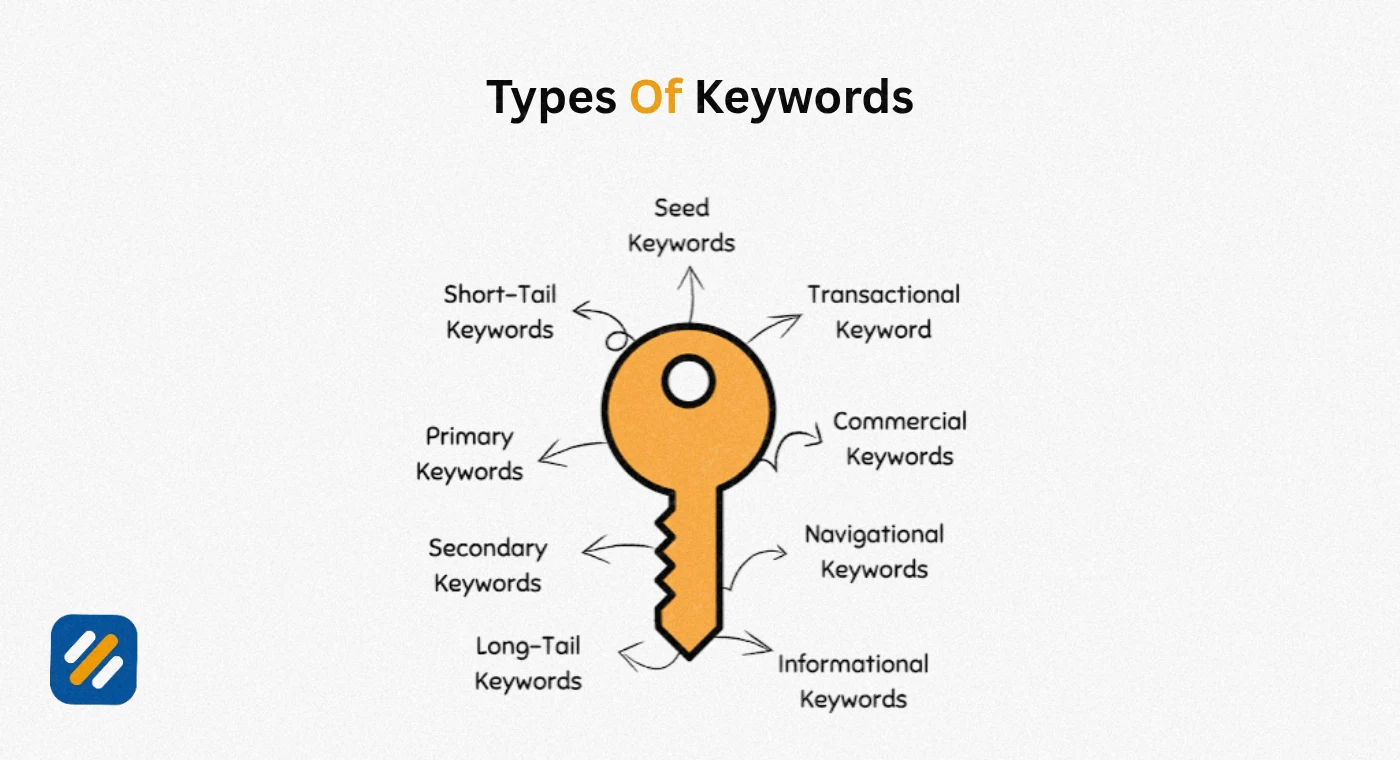
Every keyword type ultimately belongs to one of four search intent categories. Understanding these four intents is the foundation of everything else in keyword research.
Search intent is the reason behind a search. Google does not just match keywords to pages. It tries to match the intent of the searcher to the purpose of the page. When your content matches both the keyword and the intent behind it, you rank. When it matches the keyword but misses the intent, you do not.
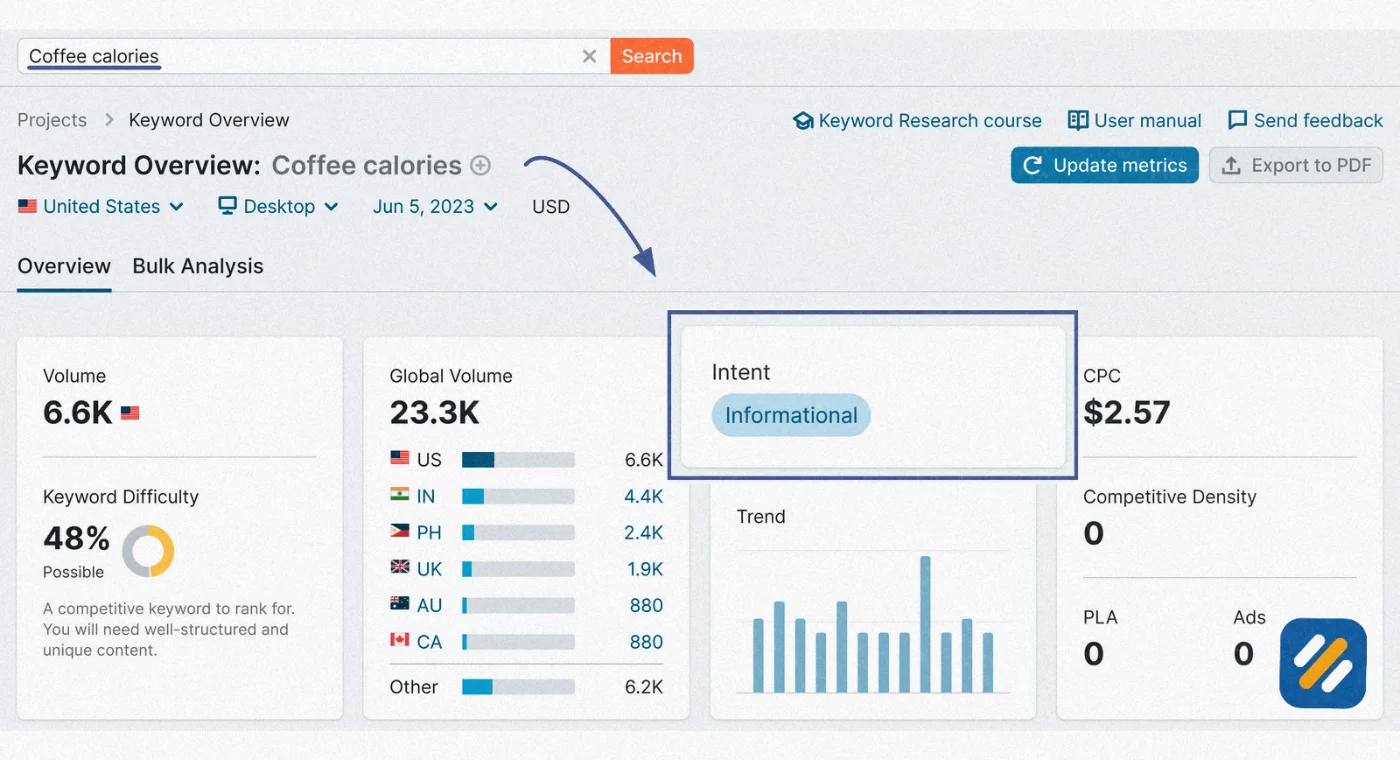
Informational Intent: The searcher wants to learn something. They are not ready to buy. They want answers, explanations, guides, or definitions. These searches often start with "what is," "how to," "why does," or "explain."
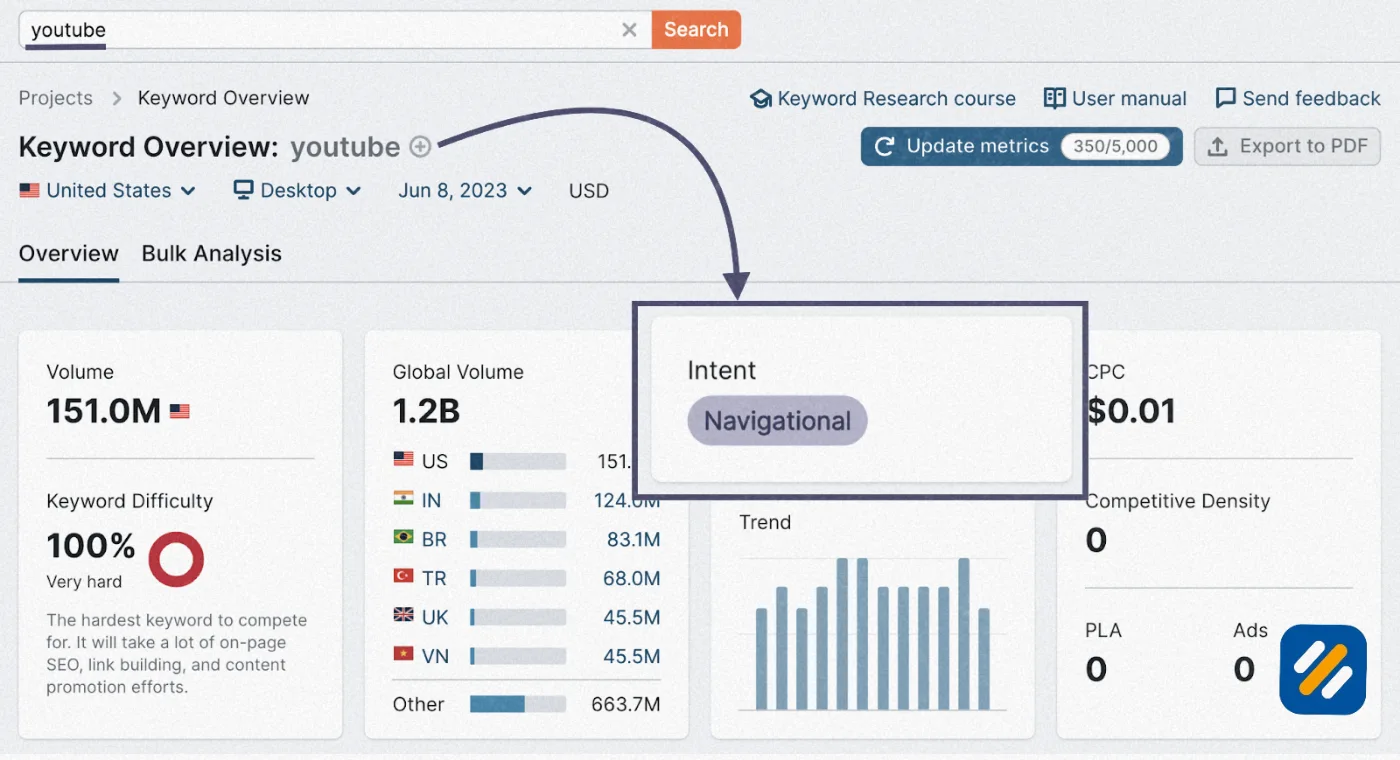
Navigational Intent: The searcher wants to find a specific website or brand. They already know where they want to go. They are typing the brand or site name into Google instead of the URL bar.
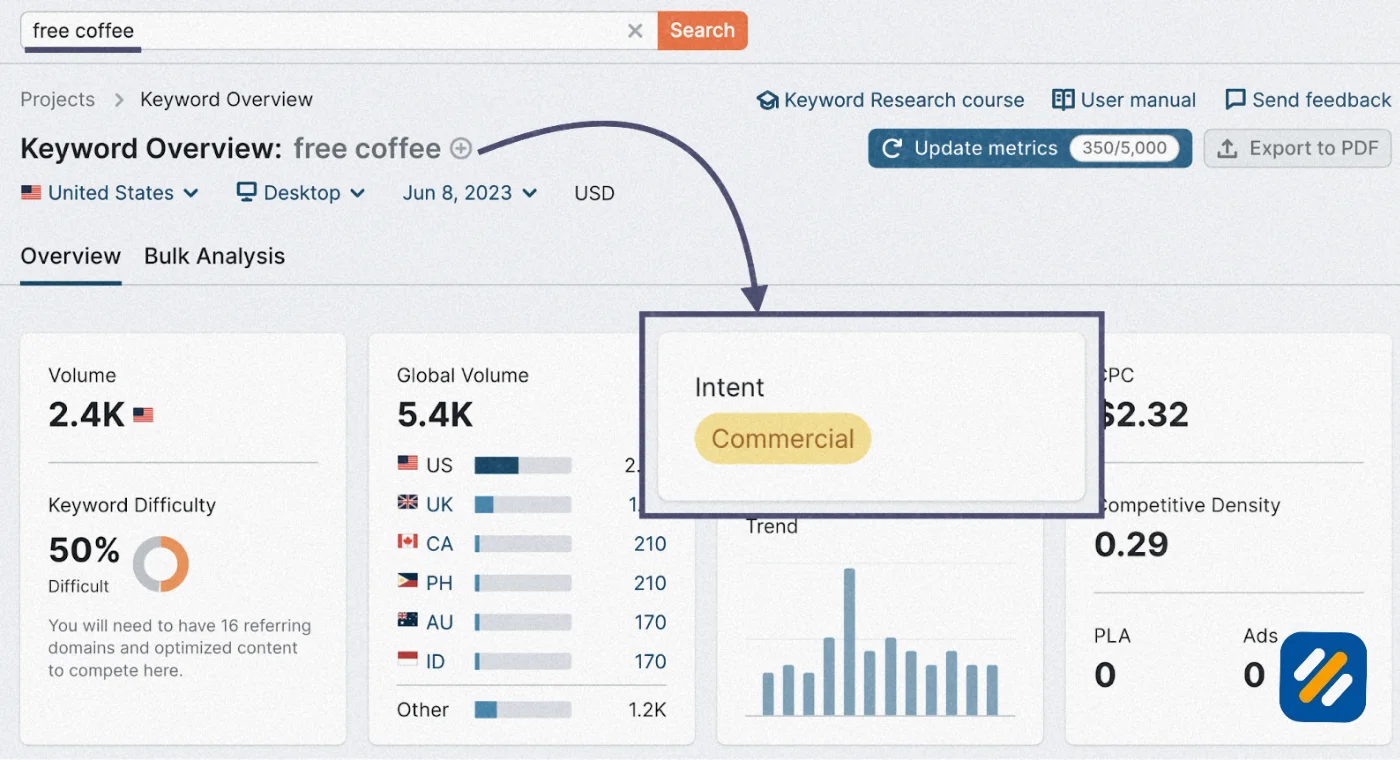
Commercial Intent: The searcher is researching before making a purchase. They are comparing options, reading reviews, and evaluating which product or service is right for them. They are close to buying but not ready yet.
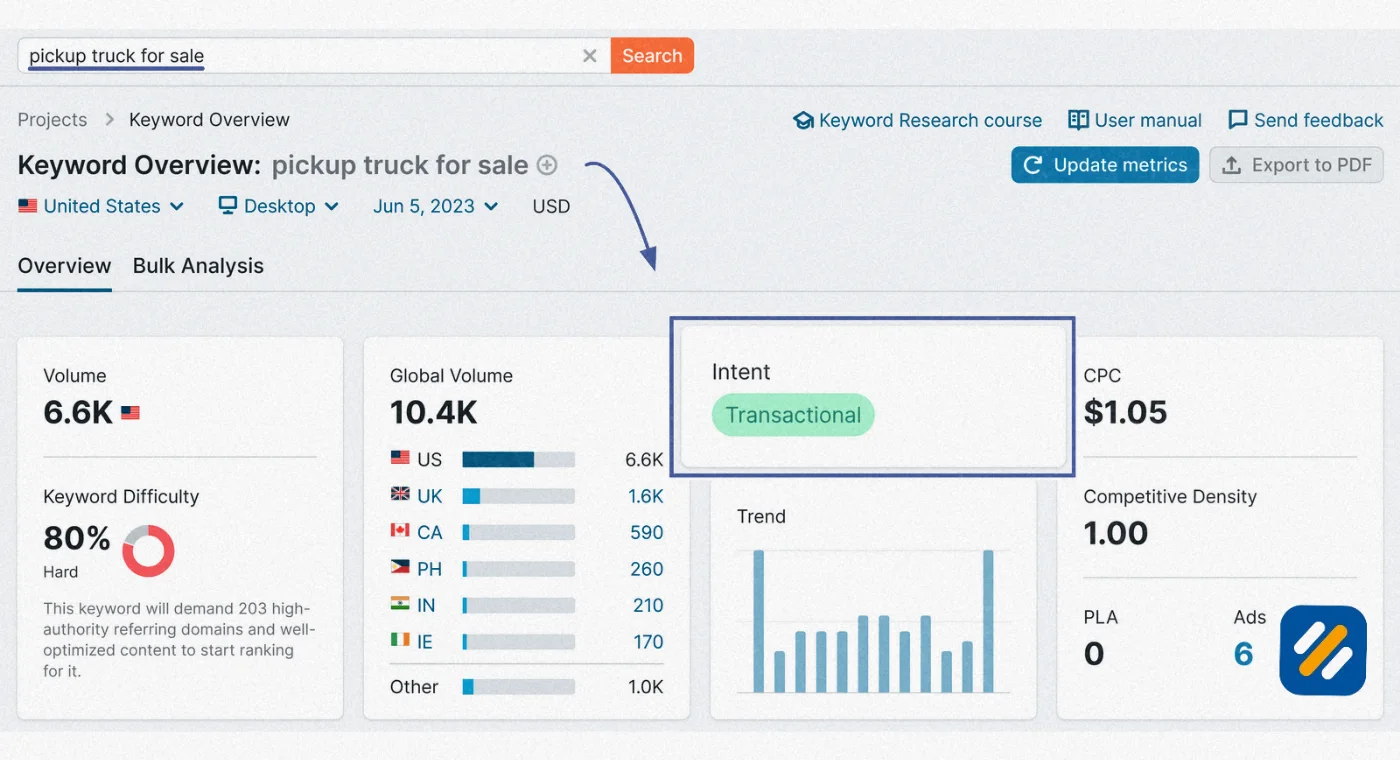
Transactional Intent: The searcher is ready to take action right now. This could mean buying a product, signing up for a service, downloading something, or booking an appointment. These are the highest value keywords for revenue.
| Intent Type | Stage in Buyer Journey | Content Format That Ranks | Example Keywords |
|---|---|---|---|
| Informational | Awareness, top of funnel | Blog posts, guides, how-to articles, definitions | "what is keyword research", "how does SEO work" |
| Navigational | Brand awareness, mid funnel | Homepage, brand pages, login pages | "Ahrefs login", "Semrush blog", "SEO with Roman" |
| Commercial | Consideration, mid to bottom funnel | Comparison articles, review posts, best-of lists | "best SEO tools 2026", "Ahrefs vs Semrush" |
| Transactional | Decision, bottom of funnel | Product pages, landing pages, pricing pages | "buy SEO course", "hire SEO specialist", "sign up Rank Math" |
3 Short-Tail Keywords | High Volume, High Competition, Low Conversion
Short-tail keywords are search terms that contain one or two words. They are sometimes called head keywords or broad keywords. They have the highest search volume of any keyword type but also the highest competition and the lowest conversion rate.
Short-tail keyword examples:
- "SEO"
- "keywords"
- "backlinks"
- "web design"
- "marketing"
Here is why short-tail keywords are almost impossible for new websites to rank for. A one-word keyword like "SEO" is searched millions of times per month. Every major SEO platform in the world, Ahrefs, Semrush, Moz, HubSpot, has been publishing content on that keyword for over a decade with thousands of backlinks supporting each page. A new website with no domain authority has zero realistic chance of ranking for it in the first two years.
Short-tail keywords also have unclear intent. When someone types "coffee" into Google, are they looking for a recipe, a nearby cafe, the history of coffee, or a place to buy coffee beans online? Google has to guess. The content that ranks for short-tail keywords usually covers multiple angles because no single angle is clearly dominant.
When to use short-tail keywords: Use them as seed topics during keyword research to generate long-tail and mid-tail variations. Do not target them as the primary keyword for any page until your domain has significant authority, typically after 12 to 18 months of consistent content publishing and link building.
4 Long-Tail Keyword Examples | The Smartest Target for Every New Website
Long-tail keywords are search phrases containing three or more words. They have lower search volume than short-tail keywords but significantly higher conversion rates and far lower competition. For any new website, long-tail keywords are the most important keyword type to understand and target.
The term "long-tail" comes from the concept of a search demand curve where a small number of short-tail keywords make up the "head" of the curve with enormous volume, and thousands of more specific phrases make up the long "tail" with individually smaller but collectively massive volume.
Long-tail keyword examples for SEO topics:
- "how to do keyword research for free step by step"
- "best free SEO tools for small business owners"
- "how to write a perfect SEO title tag with examples"
- "what is technical SEO in simple words"
- "how to fix crawl errors in Google Search Console"
Each of these phrases is three to nine words long. Each one has a specific, clear intent. Each one has far lower competition than its short-tail equivalent. And critically, each one tells you exactly what content format and depth the searcher needs.
Why long-tail keywords convert better: A person searching "shoes" could want anything. A person searching "women's waterproof running shoes for wide feet" knows exactly what they want and is significantly more likely to purchase when they find it. The specificity of the long-tail keyword filters the audience down to people whose need your content can directly address.
Long-tail keyword research tip: Use the Google autocomplete dropdown and the People Also Ask section to find long-tail variations around any seed topic. Every autocomplete suggestion and every PAA question is a real long-tail keyword with confirmed search demand.
5 Informational Keyword Examples | Build Authority Before You Build Revenue
Informational keywords are the backbone of content marketing and SEO blog strategies. They target people at the awareness stage who are learning about a topic rather than looking to buy.
Most of your blog articles should target informational keywords, especially in the early months of a new website. Informational content builds topical authority, drives consistent organic traffic, and creates the trust that eventually converts readers into customers or clients.
Informational keyword examples across industries:
| Industry | Informational Keyword Example | Content Format to Use |
|---|---|---|
| SEO | "what is a backlink and how does it work" | Definition guide with examples |
| Finance | "how does compound interest work" | Explainer article with calculation examples |
| Healthcare | "what are the symptoms of vitamin D deficiency" | Medical guide with expert citations |
| Ecommerce | "how to choose the right mattress firmness" | Buyer education guide |
| Legal | "what is the difference between civil and criminal law" | Plain English explainer |
| Real Estate | "how does the mortgage approval process work" | Step by step guide |
| SaaS | "what is CRM software and how does it help businesses" | Educational overview with use cases |
How to optimise for informational keywords:
Write content that fully answers the question in the title without making the reader scroll through three paragraphs of preamble. Use clear H2 headings that mirror the follow-up questions a beginner would naturally ask. Cite real data and sources. Include your own experience or perspective to satisfy E-E-A-T requirements. Add a FAQ section at the end targeting People Also Ask variations of your main keyword.
6 Commercial Keyword Examples | Target Buyers Before They Are Ready to Buy
Commercial keywords sit between informational and transactional in the buyer journey. The searcher is actively researching but has not made a final decision yet. They are comparing, evaluating, and reading reviews.
This is a critical stage to target because the content you provide here directly influences whether the searcher eventually buys from you or from a competitor.
Commercial keyword examples:
- "best keyword research tools for beginners"
- "Ahrefs vs Semrush for small business"
- "Rank Math vs Yoast which is better in 2026"
- "top SEO agencies in the United States"
- "is Wix good for SEO"
- "Hostinger vs Bluehost hosting comparison"
Content that ranks for commercial keywords is typically comparison articles, ranked lists, in-depth reviews, and "best of" roundups. These formats directly match what a comparison-intent searcher is looking for.
The key to ranking for commercial keywords: Your content needs to be genuinely useful and balanced, not a thinly veiled sales pitch. Searchers at the commercial intent stage are savvy. They will immediately leave a page that reads like an advertisement. The best commercial keyword content gives real pros and cons, acknowledges when a competitor has an advantage, and helps the reader make a genuinely informed decision.
Google rewards commercial content that prioritises the reader's decision over the writer's preference. Pages that recommend the right product for each user type consistently outperform pages that simply declare one option the winner with no nuance.
7 Transactional Keyword Examples | The Keywords That Drive Direct Revenue
Transactional keywords represent the bottom of the funnel. The searcher has finished researching and is ready to act. These are the highest commercial value keywords in any niche because they are typed by people with money in hand.
Transactional keyword examples:
- "buy Rank Math Pro license"
- "hire SEO specialist for small business"
- "sign up Semrush free trial"
- "book SEO consultation"
- "download free SEO audit template"
- "subscribe to SEO newsletter"
Notice the verbs. "Buy," "hire," "sign up," "book," "download," "subscribe." These action words signal that the searcher is not browsing or learning. They are doing.
How to optimise pages for transactional keywords:
The page that targets a transactional keyword should make the desired action as easy and immediate as possible. The call to action button should be visible without scrolling. Trust signals including reviews, testimonials, security badges, and money-back guarantees should appear near the conversion point. The page copy should be concise, benefit-focused, and free of anything that creates doubt or delay.
For service businesses like freelance SEO consultants, the Hire Me page and Contact page are your primary transactional keyword targets. Optimising these pages for phrases like "hire SEO specialist" or "SEO consultant for small business" turns your website into a direct client acquisition channel.
8 Navigational Keyword Examples | Protecting Your Brand in Search Results
Navigational keywords are searches made by people who already know your brand and are trying to find a specific page on your website. They are typing your name or your website into Google instead of navigating directly to the URL.
Navigational keyword examples:
- "SEO With Roman blog"
- "Ahrefs keyword tool"
- "Semrush free trial login"
- "Google Search Console"
- "Rank Math settings"
For new websites and personal brands, navigational keywords matter for one specific reason. As your LinkedIn presence grows and people hear about your brand through word of mouth, they will search your name in Google. If your website is not ranking for your own brand name, someone else's content about you might appear first.
How to rank for your own brand navigational keywords:
Make sure your website name, your personal name, and your main service keyword all appear together in your homepage title tag and H1 heading. Consistency matters here. If your website is SEOWithRoman.com, use "SEO With Roman" as your consistent brand name across your website, your LinkedIn profile, your Google Business Profile, and any guest posts or mentions you earn.
9 Local SEO Keyword Examples | Dominating Your Geographic Area
Local SEO keywords include a geographic modifier that signals the searcher wants results near a specific location. They are essential for any business that serves a local area, whether physical or service-based.
Local SEO keyword examples:
- "SEO specialist in London"
- "plumber near me"
- "best accountant Manchester"
- "digital marketing agency New York"
- "web design services Birmingham"
The phrase "near me" deserves special attention. It is one of the fastest growing keyword modifiers in Google's search data. When someone searches "SEO specialist near me," Google uses their device location to serve geographically relevant results. Ranking for "near me" searches requires a combination of on-page local keyword optimisation and a well-optimised Google Business Profile.
Local SEO keyword optimisation strategy:
Include your city or region in your page title tag, H1 heading, meta description, and naturally within the first paragraph of your page content. Create a dedicated location page if you serve multiple cities. Set up and fully optimise your Google Business Profile with accurate address, phone number, business hours, photos, and a keyword-rich description. Encourage satisfied clients to leave Google reviews, as review volume and rating are significant local ranking factors.
10 Branded vs Non-Branded Keyword Examples
This distinction is one that most beginner guides skip over but it matters enormously when analysing your Google Search Console data and planning content.
Branded keywords include your company name, your personal name, your product names, or your domain name. Someone searching "SEO With Roman" is already aware of your brand.
Non-branded keywords are searches that do not include your brand name. Someone searching "how to do keyword research for free" has no prior knowledge of your website. They are discovering you for the first time.
| Keyword Type | Example | Traffic Value | Optimisation Priority |
|---|---|---|---|
| Branded | "SEO With Roman blog" | High intent, warm audience | Protect with strong homepage and brand consistency |
| Non-branded informational | "how to write a title tag" | High volume, cold audience | Target with blog content |
| Non-branded commercial | "best SEO blog for beginners" | Medium volume, warm audience | Target with comparison and roundup content |
| Non-branded transactional | "hire freelance SEO specialist" | Lower volume, high conversion | Target with service and hire me pages |
The healthiest SEO strategy generates a mix of both branded and non-branded traffic. Branded traffic shows brand awareness is growing. Non-branded traffic shows your content is reaching new audiences who have never heard of you before.
11 LSI Keywords and Semantic Keywords | What Google Actually Looks For in 2026
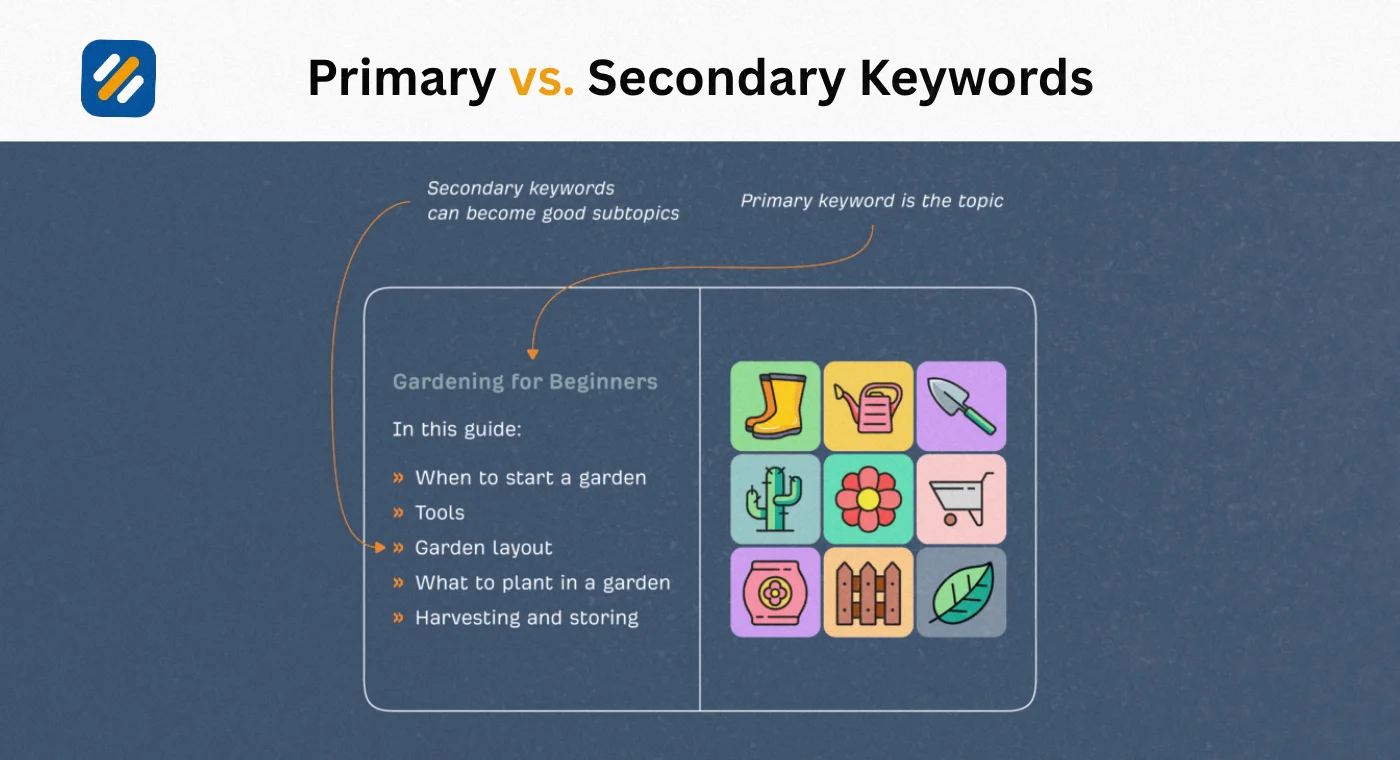
LSI stands for Latent Semantic Indexing. In plain language, LSI keywords are the related terms and concepts that naturally appear around your primary keyword in well-written content on a topic.
Google does not just look for your exact primary keyword on a page. It looks for the full semantic context around that keyword to verify that your content genuinely covers the topic rather than just mentioning the keyword repeatedly.
For an article about keyword research, the semantic keywords that should naturally appear include: search volume, keyword difficulty, search intent, long-tail keywords, seed keyword, Google Keyword Planner, Ahrefs, Semrush, organic traffic, SERP, ranking, and content strategy. A page that covers keyword research thoroughly will include these terms naturally without forcing them.
How to find semantic and LSI keywords:
Search your primary keyword in Google and scroll to the bottom of the search results page. The "Related Searches" section at the bottom shows you exactly which semantic terms Google associates with your primary keyword. These are the terms your content should naturally include to signal comprehensive topical coverage.
Also use the Bold text that appears in meta descriptions on the SERP. Any word or phrase Google bolds in a search snippet is a term it considers semantically relevant to the search query.
12 Complete Keyword Types Reference Table
| Keyword Type | Definition | Best For | Difficulty Level | Conversion Rate |
|---|---|---|---|---|
| Short-tail | 1 to 2 words, broad topic | Brand awareness, seed research | Very high | Very low |
| Long-tail | 3 or more words, specific phrase | New websites, niche targeting | Low to medium | High |
| Informational | Learning intent, "what" and "how" | Blog content, authority building | Low to medium | Low |
| Navigational | Brand or site specific | Brand protection, returning visitors | Low for own brand | Medium |
| Commercial | Research and comparison intent | Review content, comparison articles | Medium | Medium to high |
| Transactional | Action intent, ready to buy | Service pages, product pages | Medium to high | Very high |
| Local | Geographic modifier included | Local business, service area | Low to medium | Very high |
| Branded | Includes your brand name | Brand awareness tracking | Very low | Very high |
| Non-branded | No brand name, discovery searches | Content marketing, new audience | Varies | Varies |
| LSI and semantic | Related terms around main keyword | Content depth, topical authority | Not targeted directly | Indirect |
13 3 Expert Tips for Using Keyword Types Effectively
Expert Tip 1: Map One Keyword Type to One Page and Never Mix Transactional and Informational Intent on the Same Page
This is the most common keyword targeting mistake I see on beginner websites. A blog post that tries to simultaneously educate someone on "what is SEO" while also pushing them to "hire me for SEO services" fails at both goals. The informational reader is not ready to hire anyone. The transactional searcher does not want a lesson. Google recognises this intent mismatch and typically ranks neither well. Keep your informational content purely educational and let your service pages handle the transactional keywords.
Expert Tip 2: Check the SERP Before Finalising Any Keyword
Before you write a single word of content targeting a keyword, search that exact keyword in Google and study the top five results. Look at what content format ranks, how long the articles are, what headings they use, and what intent the results serve. If the top five results for your keyword are all comparison articles but you planned to write a definition guide, your content will not rank regardless of how well you optimise it. The SERP tells you exactly what Google considers the right format for that keyword's intent.
Expert Tip 3: Build a Keyword Map Before Publishing Your First Article
A keyword map is a simple spreadsheet where each row contains a URL on your website, the primary keyword targeting that URL, the keyword type, the search intent, and the monthly search volume. Before you publish article ten, you should have a keyword map covering articles one through fifty. This prevents you from accidentally targeting the same keyword on two different pages, which creates keyword cannibalization and causes both pages to rank lower than either would if they were the only page on that topic.
14 Conclusion
Keywords are not just words you add to content hoping Google notices them. They are signals that reveal what your audience needs, where they are in their buying journey, and what type of content will actually serve them.
Understanding the difference between a long-tail keyword example and a transactional keyword example changes how you plan every article, every service page, and every piece of content your website ever publishes. The websites that dominate Google search results in any niche are the ones that have matched every page to the right keyword type, the right search intent, and the right content format.
Start by auditing the content you already have. Does each page target a clear keyword type? Does the content format match the search intent? If not, you have found your first optimisation priority.
Then build your keyword map, target long-tail keywords first, create content that genuinely serves the intent behind each search, and watch your organic traffic compound month after month.
Have a question about keyword types or examples for your specific niche? Drop a comment below and I will answer it personally.
Join 1,000+ business owners and bloggers who get one actionable SEO tip every week — straight to their inbox. Free forever.
Get Free Weekly Tips →